Discover the World of Fair Trade Tea: Quality Brews That Promote Sustainable Practices
Fair Trade tea forms a seamless integration of superior standards and principles. Each cup provides a corresponding information distinctive taste profile while furthering environmentally responsible agricultural methods. This tactic not only improves the tea satisfaction but also empowers marginalized farmers. Investigating its origins and authentication procedures demonstrates profound significance of value. As patrons become more mindful of their choices, the impact of Fair Trade tea surpasses palate. What resides under the veneer of these choices?
Understand the History of Fair Trade Tea
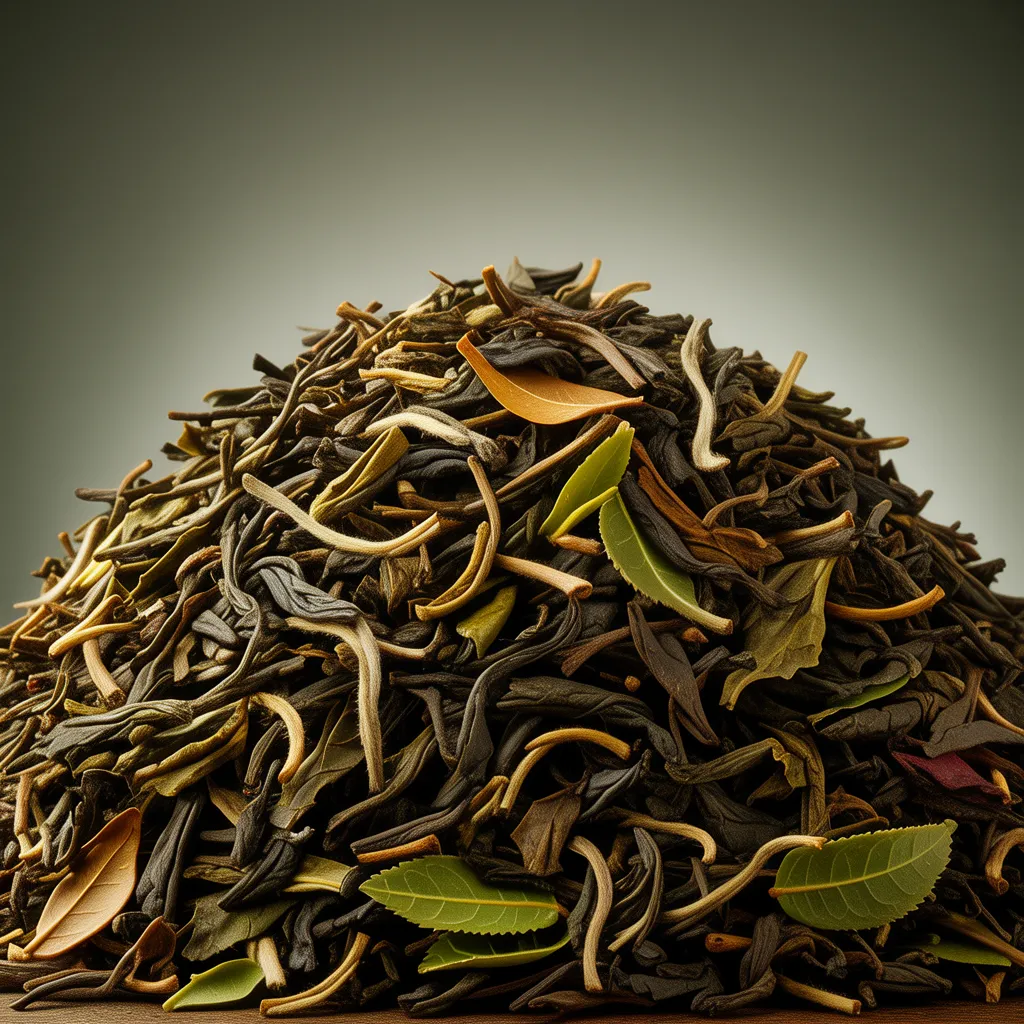
Fair Trade tea has its origins to the social and economic movements aimed at improve the livelihoods of marginalized farmers. Emerging in the final decades of the 1900s, this program sought to tackle disparities in international commerce, especially in emerging markets where tea is often cultivated. The initiative gained traction as shoppers became increasingly aware of the difficult conditions experienced by small-scale farmers, including unfair pricing and exploitation by large corporations.
By utilizing collaborative frameworks, Fair Trade aimed to strengthen these farmers, guaranteeing they received fair compensation and support for environmentally responsible agriculture. The movement also focused on promoting environmental responsibility, encouraging organic farming and biodiversity. As knowledge grew, Fair Trade tea became a representation of responsible purchasing, connecting consumers directly with the origins of their beverages. By choosing Fair Trade tea, individuals add to a larger vision of social justice and economic equity, creating a more sustainable future for tea-growing communities.
Comprehend Fair Trade Certification for sustainable operations
Understanding Fair Trade certification is important to identifying how sustainable practices are maintained within the tea industry. This certification confirms that producers receive fair wages and work under safe conditions, which directly supports community development. Fair Trade standards advance environmentally sustainable farming methods, reducing the use of harmful chemicals and encouraging biodiversity.
Certification further promotes clarity in the supply chain, allowing customers to trace their tea back to its origin. By adhering to these standards, farms engage in methods that safeguard environmental assets and sustain local ecosystems. Additionally, Fair Trade groups often provide educational resources and training to farmers, enabling them to improve their production methods and economic stability.
In the final analysis, Fair Trade certification improves the standard of tea while synchronizing purchasing choices with principled and eco-conscious beliefs, establishing it as an essential aspect of the tea industry's commitment to societal responsibility and environmental guardianship.
Browse Top Varieties of Fair Trade Tea
While many tea admirers cherish the rich flavors and aromas of various brews, delving into the top varieties of Fair Trade tea uncovers a more earnest commitment to responsible farming and planet-friendly methods. Some popular options present Fair Trade Assam, distinguished by its bold, malty taste, and Fair Trade Darjeeling, often known as the "Champagne of teas" for its delicate floral notes. Another distinguished variety is Fair Trade Earl Grey, enhanced with bergamot, furnishing a distinctive citrus character.
Additionally, Fair Trade Green Tea, celebrated for its invigorating qualities and health benefits, is increasingly preferred among health-conscious consumers. Herbal blends, such as Fair Trade Chamomile and Peppermint, also excel, delivering soothing and calming effects. Each of these varieties not only delivers exceptional flavor but also benefits farmers and communities working for better livelihoods, making them a responsible choice for tea lovers seeking quality and ethical assurance.
Brewing Fair Trade Tea: Instructions for a Superior Cup
To brew the best cup of Fair Trade tea, attention to detail is essential, as the right methods can improve the tea's unique tastes and aromas. First, the water quality is fundamental; using filtered water guarantees a clean taste that allows the tea's characteristics to be highlighted. The water temperature is also important; distinct teas need specific temperatures; black tea needs boiling water and a lower temperature for green or herbal teas.
Afterward, the brewing time ought to be meticulously respected. Too much steeping can bring about bitterness, while minimal steeping may not access the total flavor dimensions. A general guideline is 3-5 minutes for black tea and 2-3 minutes for green tea.
Ultimately, applying the right tea-to-water ratio boosts the taste; one teaspoon of loose tea per cup is a good starting point. By implementing these tips, tea aficionados can fully appreciate the rich offerings of Fair Trade tea.
Environmental Benefits of Fair Trade Tea
Brewing Fair Trade tea not only improves the tea encounter but also promotes eco-friendly farming methods that benefit the ecosystem. Fair Trade certification motivates farmers to use natural cultivation techniques, which decrease the reliance on damaging chemicals and synthetic inputs. This method promotes biodiversity, aiding in the protection of local ecosystems and safeguard wildlife habitats.
Additionally, Fair Trade practices often emphasize soil health and water conservation, ensuring that tea cultivation does not deplete essential resources. By supporting small-scale farmers, Fair Trade also cultivates agroforestry, which combines tea cultivation with other crops and trees, further strengthening environmental resilience.
Moreover, Fair Trade tea frequently involves environmentally friendly wrapping and delivery systems, minimizing the carbon footprint associated with its distribution. Overall, selecting Fair Trade tea demonstrates a conscious effort to promote a more sustainable farming approach that honors both the planet and its people.

The Impact of Your Tea Selection in Empowering Worldwide Communities
Embracing Fair Trade tea aids communities globally by granting producers with equitable wages and enhanced working conditions. This commitment assures that tea producers can copyright their ways of living while channeling resources in their kin and area economies. By obtaining Fair Trade tea, customers facilitate the establishment of vital community services, such as education and medical care.
Fair Trade accreditation promotes responsible conduct, demanding companies to adhere to standards that prioritize employee protections and ecological responsibility. As a consequence, farmers are incentivized to cultivate premium tea, which not only improves their earnings but also creates satisfaction in their craft.
Moreover, the unmediated trade associations set up through Fair Trade eliminate oppressive middlemen, allowing farmers to link with patrons worldwide. This transparency cultivates trust and motivates a global esteem for the cultural meaning of tea. Ultimately, each cup of Fair Trade tea represents a reminder of the meaningful change individuals can have on global communities through thoughtful buying.
Commonly Asked Questions
How Can I Identify Fair Trade Tea Items in Stores?
To find fair trade tea products in stores, one should search for certification labels, such as Fair Trade Certified or Rainforest Alliance. Additionally, studying brands dedicated to sustainable practices can support making informed choices.
Do Fair Trade Tea Products Offer Any Health Benefits?
Fair trade tea may provide multiple wellness advantages, including antioxidants that promote heart health, better digestive function, and increased mental sharpness. Additionally, responsible sourcing methods promote environmentally conscious farming, indirectly contributing to a more sustainable ecosystem and improved community welfare.
Do I Locate Fair Trade Tea Available in Digital Shopping Platforms?
Yes, ethically sourced tea is readily found in internet retailers. Numerous retailers provide a variety of different varieties, guaranteeing consumers can conveniently obtain ethically sourced options that promote both sustainability and ethical working conditions.
How Does Fair Trade Tea Shape Local Economies?
Fair trade tea positively impacts local economies by providing farmers with fair wages, fostering community development, and promoting environmentally responsible agriculture. This assistance enhances livelihoods, strengthens financial security, and enables communities to invest in education and healthcare.
How Do I Keep Fair Trade Tea for Peak Freshness?
To enhance freshness, fair trade tea should be placed in an airtight container, away from strong odors, moisture, and light. Keeping it in a dark, cool location helps maintain its aroma and flavor over time.